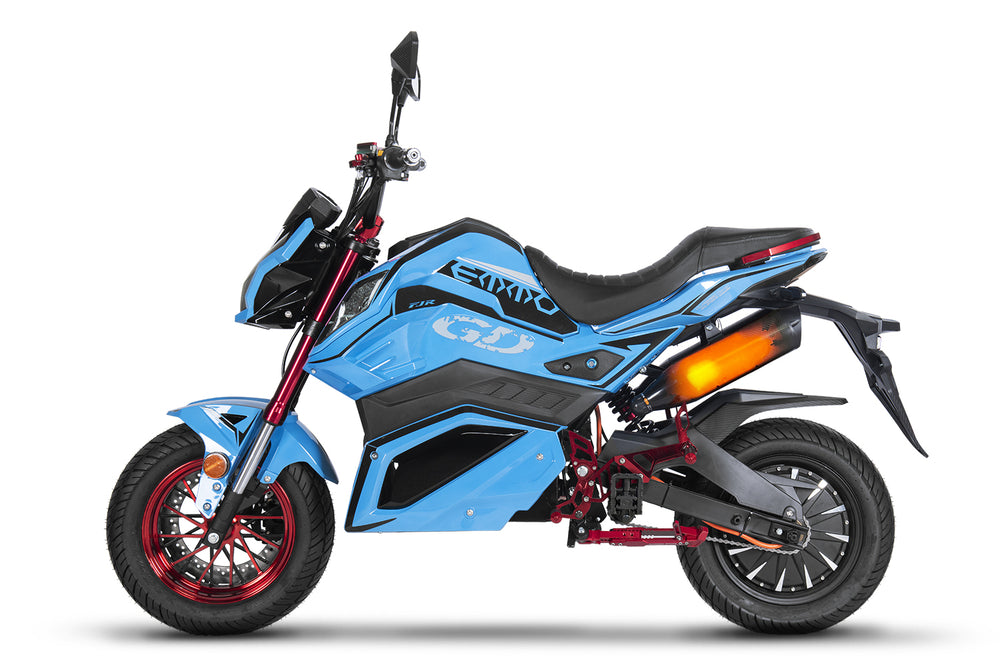
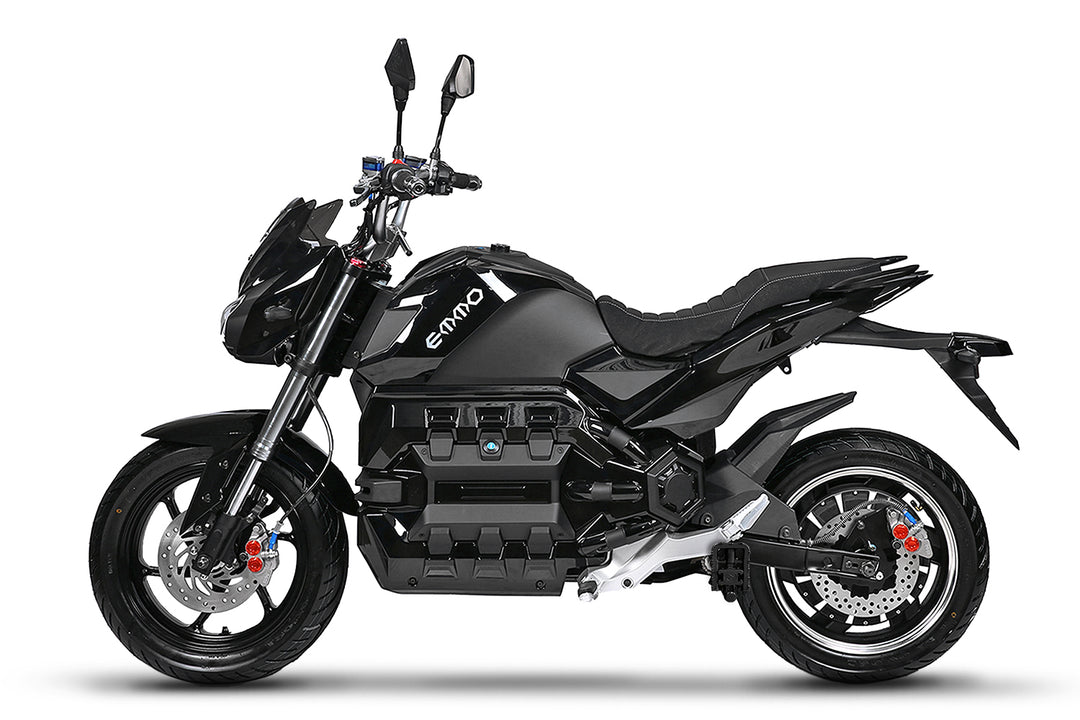
UL SAFETY CERTIFIED
Standards 2849 & 2271 Compliant
200+ LOCAL DEALER SHOPS
Test Rides and service across Canada
Be the first to hear about exclusive offers and the newest ebikes.
By signing up, you agree to receive marketing emails. You can unsubscribe at any time. By submitting your email, you also agree to our privacy policy and terms. Contact EMMO at 1224 Dundas Street E, Unit 6, Mississauga, ON L4Y 2C5.
*Good for ebike purchases only.
Up to 200 km | 125 miles
QS Super Torque Motor
Up to 8400Wh SafeSeal Li-ion
Wireless CarPlay & Android Auto
Dual Disk Hydraulic Brakes
100A Programmable Controller
Start from
$107
/month with
Standards 2849 & 2271 Compliant
Test Rides and service across Canada
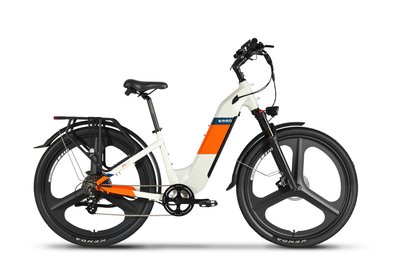
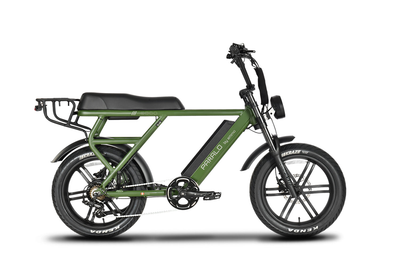
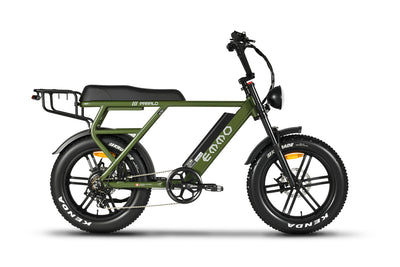
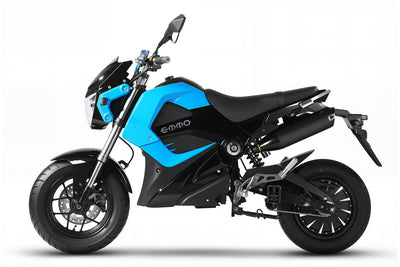
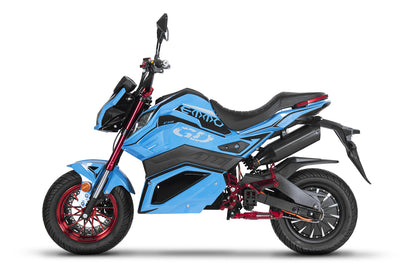
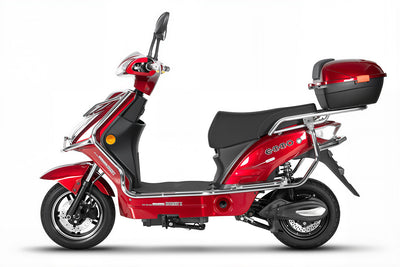
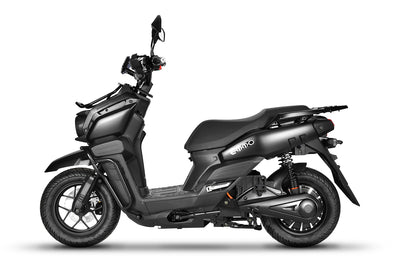
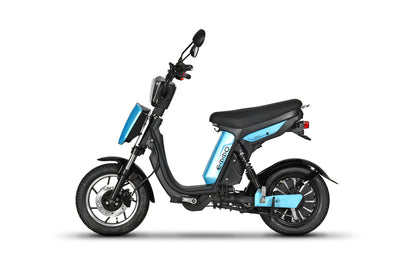
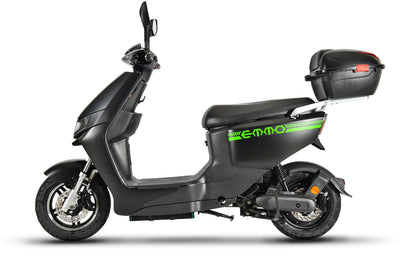
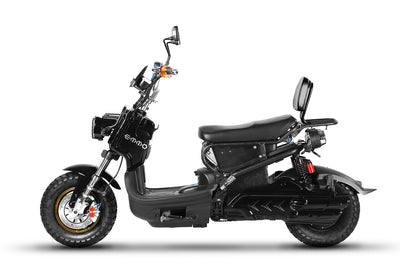
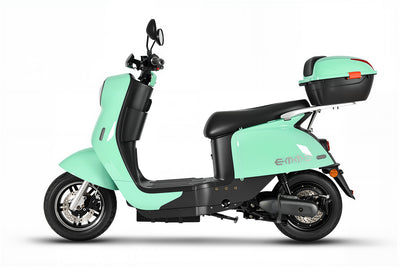
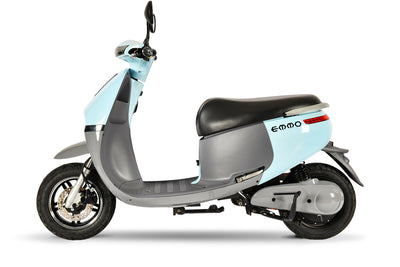
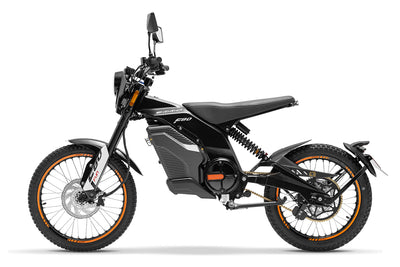
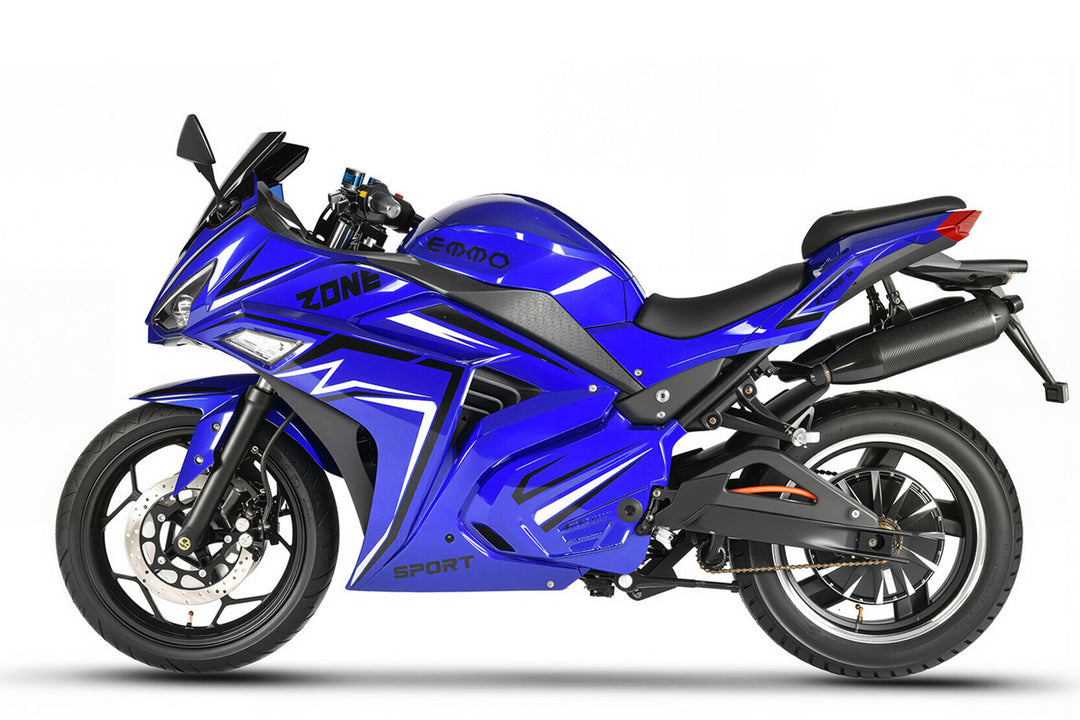
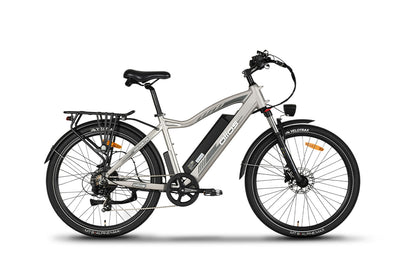
A motorcycle-style e-bike is an electric bicycle that has a motorcycle-inspired look while still meeting e-bike technical requirements (such as having pedals and staying within applicable limits for speed, motor output, and other specifications).
In many parts of Canada, these models are generally treated like standard e-bikes for everyday riding, so you typically don’t need a driver’s licence, registration, or insurance.
Local rules can vary.
An electric motorcycle is typically regulated as a motor vehicle, while a motorcycle-style e-bike is generally regulated under e-bike rules when it meets the local definition of an electric bicycle.
In many areas, that difference affects whether registration, insurance, and a driver’s licence apply. A motorcycle-style e-bike may be treated as an e-bike if it follows the requirements set by local rules (for example, having operable pedals and staying within the applicable speed and power limits).
Rules can vary by province or municipality.
Electric motorcycle-style e-bikes are typically very reliable for everyday riding, and they often have fewer routine wear items than gas-powered bikes.
Because the drivetrain is simpler, most upkeep is straightforward and focuses on regular checks rather than frequent engine-related service. Reliability can still depend on how the battery is cared for, the riding environment (rain, dust, rough roads), and staying on schedule with recommended service intervals.
For best day-to-day reliability, we suggest:
• Keep tires properly inflated and check brake pad wear
• Periodically inspect the chain and keep it lubricated
• Charge and store the battery as outlined in the owner’s guide
• Tighten key fasteners and check lights regularly
For model-specific maintenance intervals and setup tips, see our Owner’s Manual and Assembly Videos: https://emmo.ca/pages/helpcenter
If you’d like assistance or service options, you can also reach our team here: https://emmo.ca/pages/contactus
The EMMO Zone II GTS and Zone II MAX offer Apple CarPlay and Android Auto for on-screen navigation, music, and calls when paired with a compatible iPhone or Android phone.
Yes. Most motorcycle-style e-bikes that meet Canadian e-bike standards can be used on public roads across Canada.
Models such as the Zone II GTS are built to comply with e-bike requirements in most areas, including operable pedals and a governed top assisted speed of 32 km/h, along with standard street-ready e-bike equipment.
Use in bike lanes and multi-use paths is generally allowed, subject to local guidelines.
If you’d like help confirming how a specific model is configured, contact us: https://emmo.ca/pages/contactus
Store your e-bike battery indoors in a dry, clean, and well-ventilated area at a temperature between 0 °C and 25 °C. For long-term storage, recharge it at least once a month and follow the owner’s manual or manufacturer’s recommendations.
Prolonged exposure to low temperatures combined with a low state of charge can cause irreversible battery damage. If the battery is stored in an unheated garage, check its charge level at least every two weeks and recharge as needed to maintain a healthy storage level of around 50–70%.
There are lithium upgrade options for most of our models. If you are looking for a bike with long travel distance, lithium batteries will be the best choice. Lithium batteries are much lighter in weight and smaller in size, and they have a longer battery life. Typically, the battery life for lead-acid batteries is 1-2 year and 3-5 year for lithium batteries. Also, lithium batteries will be more expensive compared with the lead-acid batteries.
No, electric motorcycle-style e-bikes are generally much quieter than gas-powered motorcycles. You’ll typically hear a soft motor whir and normal riding sounds like tires on the road, rather than a loud engine. How noticeable it is can vary by model, your speed, and the road surface you’re riding on.
You can visit any authorized EMMO dealer across Canada for service, parts, and warranty support. Find your nearest dealer on https://emmo.ca/pages/locations or contact customer service (1-888-510-3666 Toll Free; info@emmo.ca) for assistance.
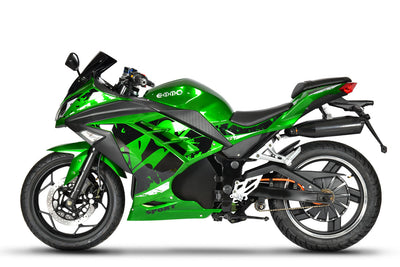
Yes, occasional rain is generally fine, but it’s best not to leave an electric motorcycle-style e-bike parked in steady rain or snow for long periods.
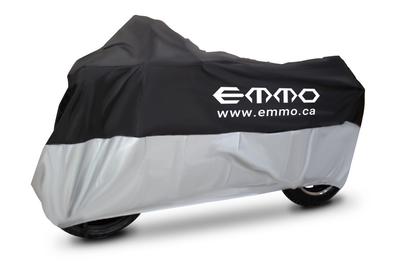
Most e-bikes are water-resistant rather than fully waterproof, so a sheltered spot or a fitted cover helps protect connectors, controls, and metal parts.
If it’s been in the rain, wipe it down and make sure the charging port and any exposed connectors are dry before charging.
For model-specific guidance, see your owner’s manual: https://emmo.ca/pages/owner-resources
Usually no. Electric motorcycle-style e-bikes typically don’t require manual shifting for the motor drive. Many use a simple, automatic drivetrain that delivers smooth power without the feel of “gears” like a gas motorcycle.
Yes, many electric motorcycles are beginner-friendly, especially if you’re looking for smooth power delivery and a simpler riding experience.
A lot of electric models don’t require clutch work or frequent gear changes, which can make the first few rides feel more manageable. Since weight, top speed, and acceleration vary by model, it’s worth choosing one that matches your comfort level.
When you’re picking a first ride, it helps to focus on:
• Power and top speed that feel manageable for your routes
• Range that comfortably covers your typical commute (with a buffer)
• Braking and tire quality for confident stopping and stability
• Safety gear that fits well, especially a helmet and gloves
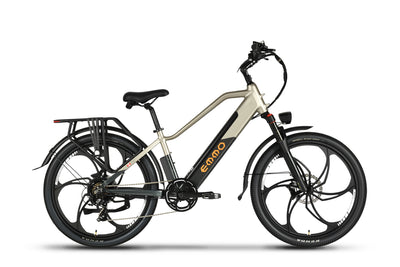
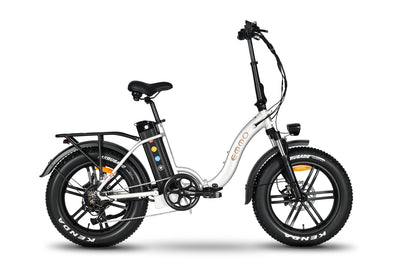
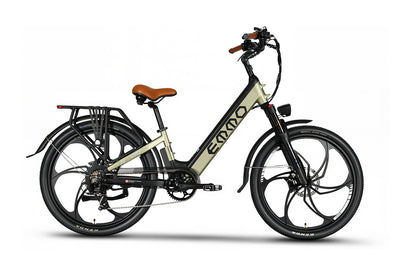
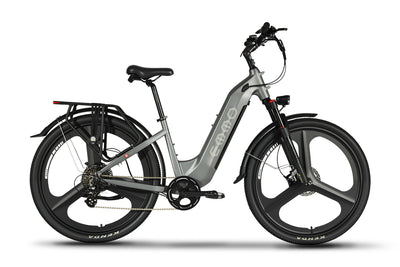
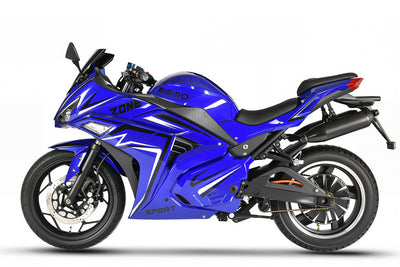
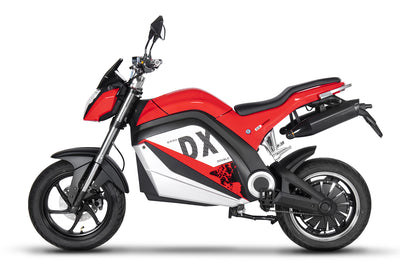
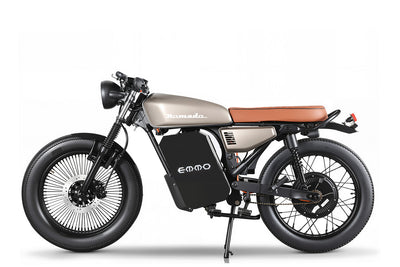
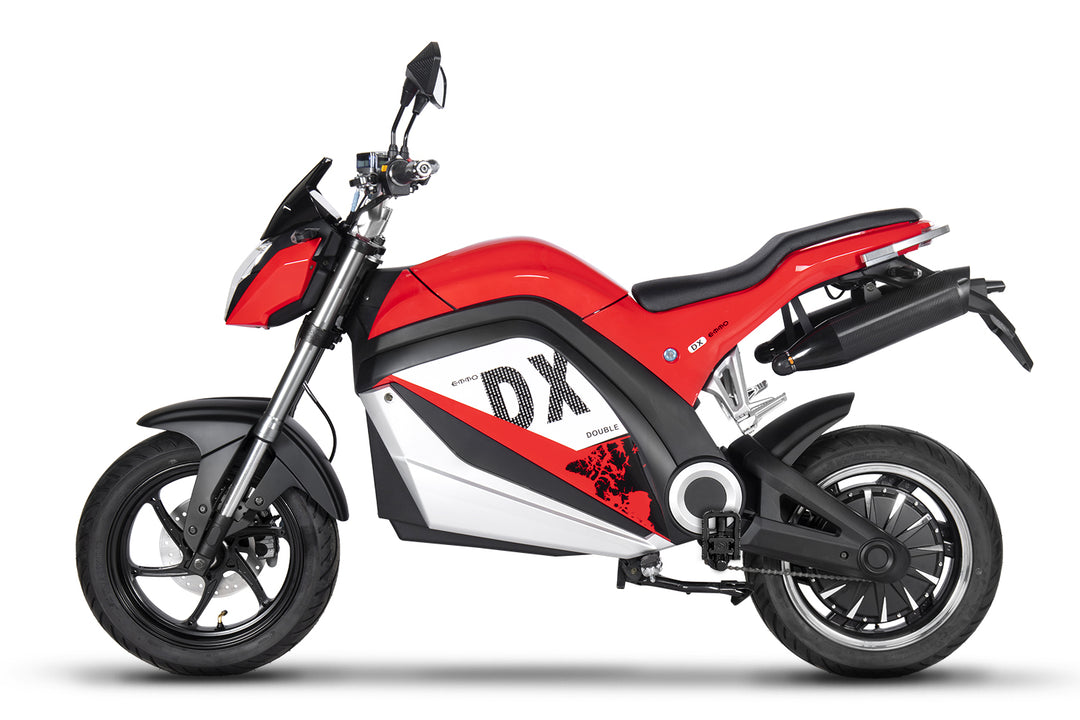
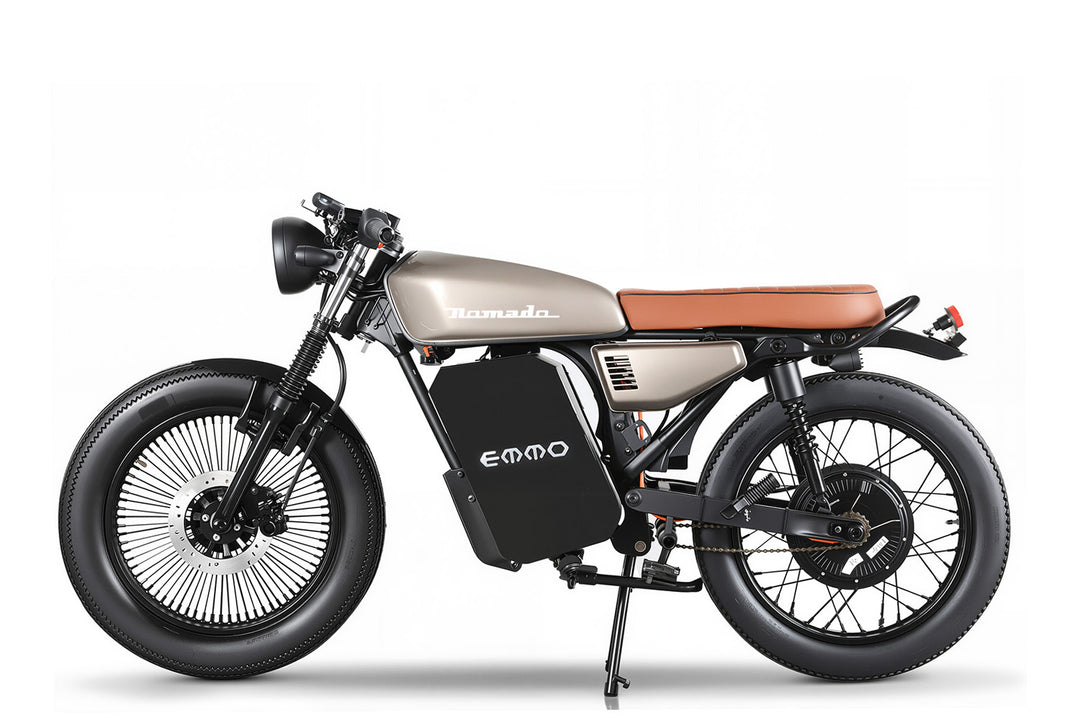
A good motorcycle-style e-bike for daily commuting is one that fits your route, storage setup, and how you prefer to charge. Many riders compare options like the Zone II GTS, NOMADO, and DX, then narrow it down based on a few practical details:
• Realistic range for your round-trip commute, with extra room for colder days
• Speed class and where you’ll ride most (bike lanes vs mixed traffic)
• Bike weight and where you’ll store it at home or work
• Removable battery option if you want to bring the battery indoors for easier charging
Since motorcycle-style designs can be treated differently depending on the region, some municipalities set specific rules for where they can be ridden.