

































Are 750 Watt E-bikes Legal in Canada?
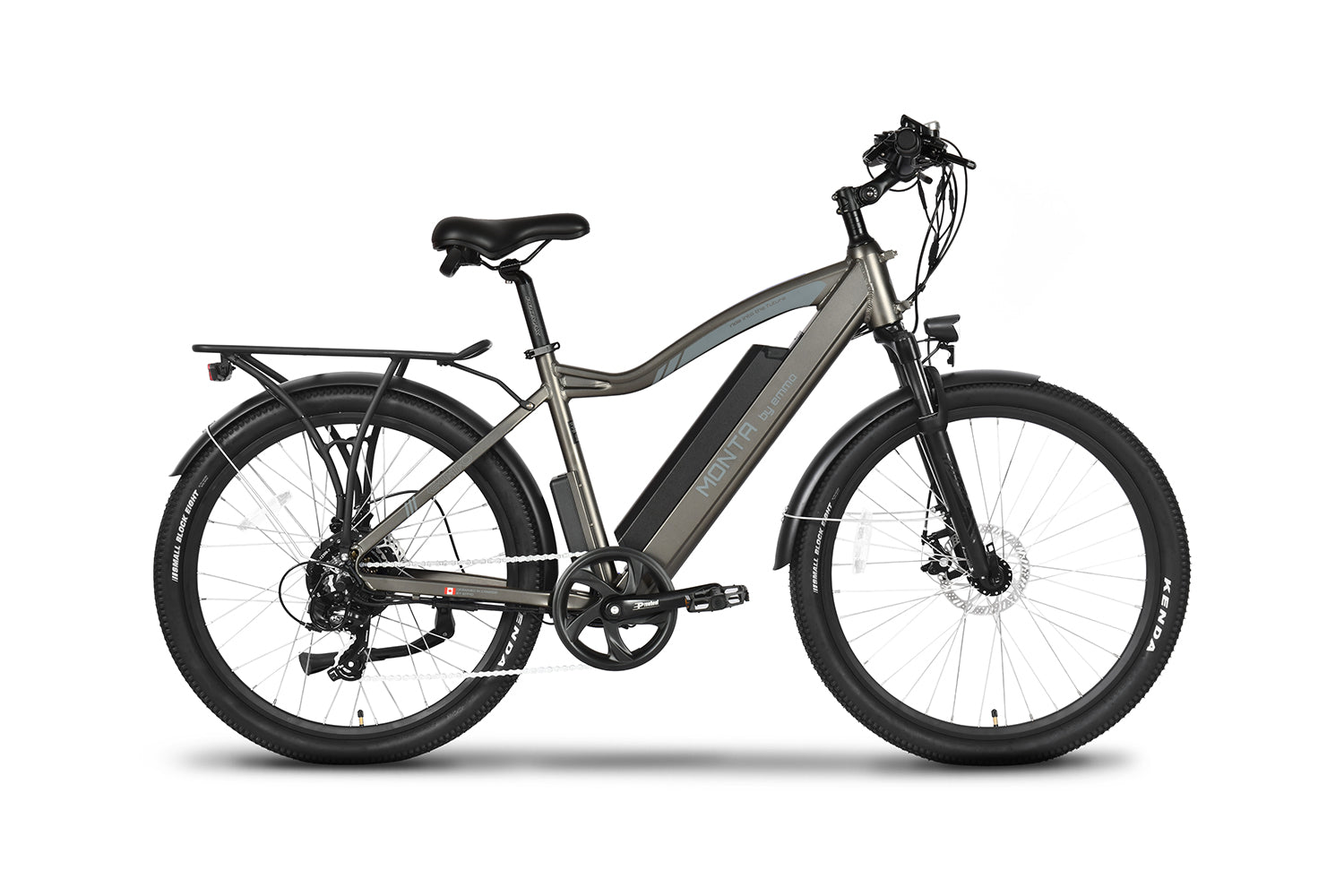
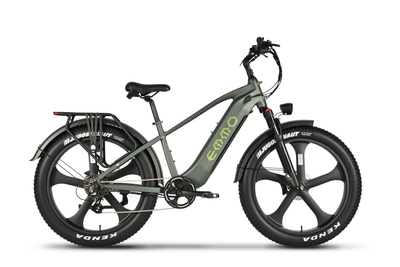
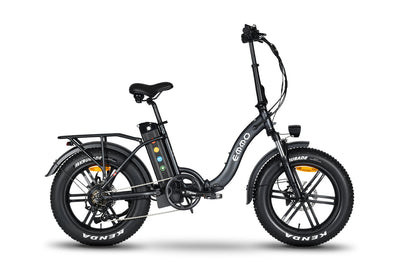
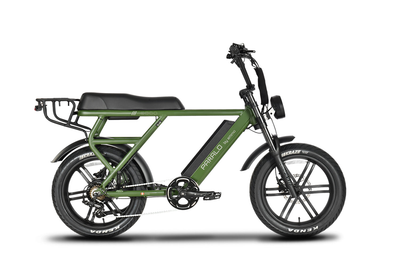
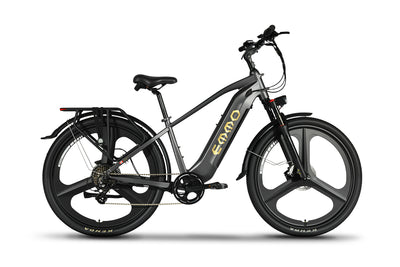
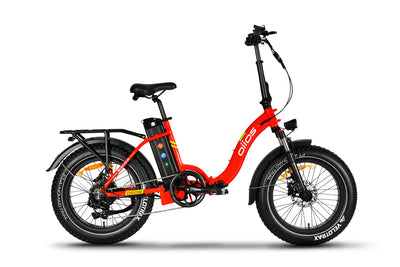
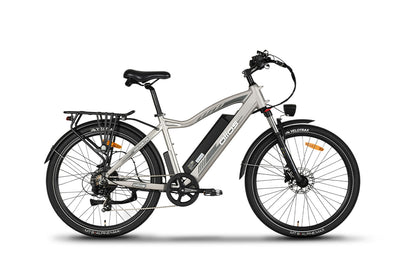
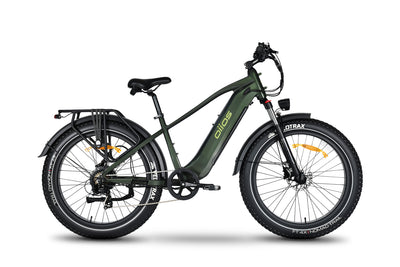
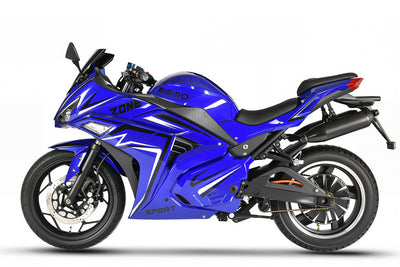
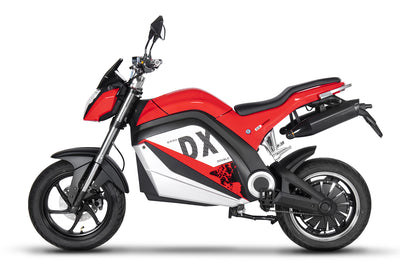
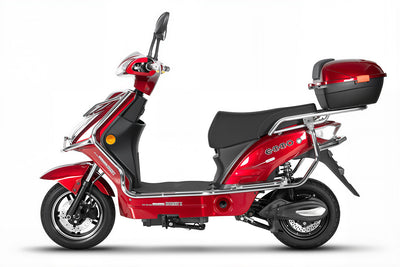
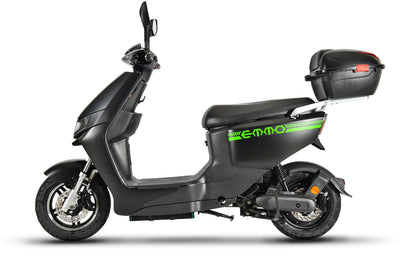
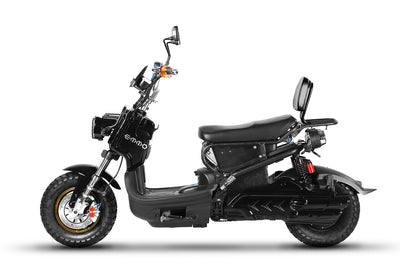
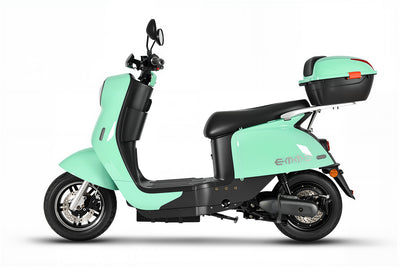
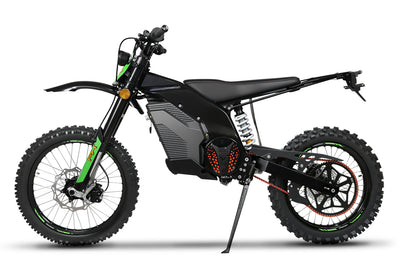
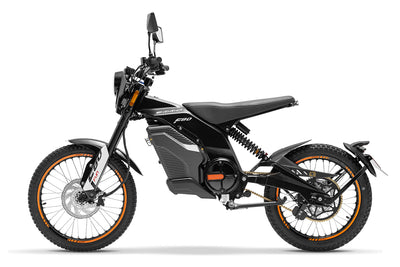
Electric bicycles, commonly known as e-bikes, have gained immense popularity in recent years. Brands like Emmo have introduced a wide range of models, offering a range of e-bikes that cater to various needs and preferences. They combine traditional cycling with an added boost from an electric motor, making them a practical option for many riders. But with this rise in popularity comes a slew of questions regarding their legality, especially concerning their power output. One of the most frequently asked questions is: Are 750 watt e-bikes legal in Canada?
Understanding E-bike Regulations in Canada:
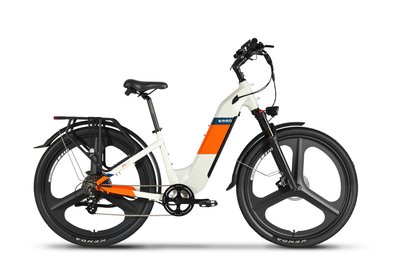
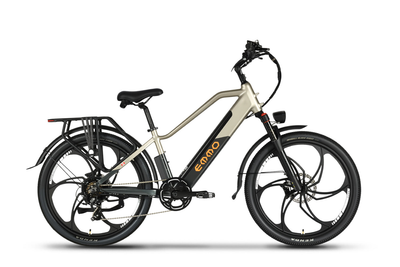
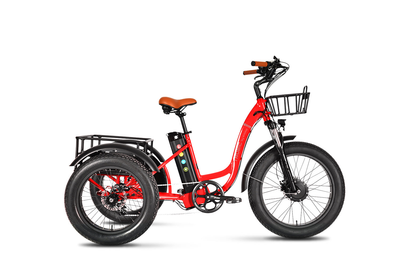
In Canada, e-bike standards are governed by federal, provincial, and territorial regulations. EMMO models are configured as two- or three-wheeled bicycles that feature a seat, pedals, and an electric motor of up to 500 watts—ensuring compliance with legal requirements for road use without a license or insurance in most jurisdictions.
The 750 Watt Question:
Given the federal definition, e-bikes with a motor power of 750 watts exceed the specified limit of 500 watts. This means that, according to federal standards, 750 watt e-bikes are not considered e-bikes but rather fall into another vehicle category.
However, it's essential to note that while the federal government sets this standard, provinces and territories might have their own specific regulations. Enforcement and classification may vary slightly by province, particularly in how higher-powered vehicles are regulated.
Emmo's Take on E-bikes:
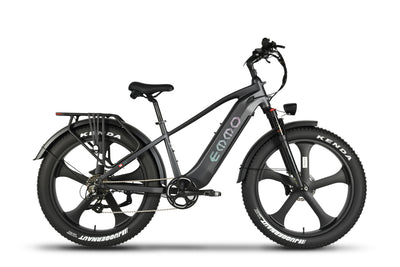
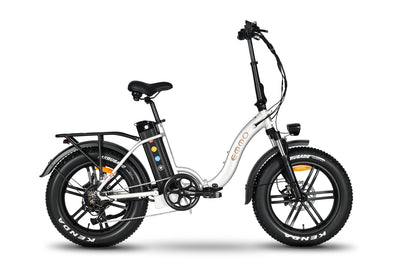
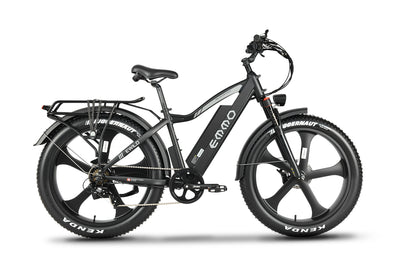
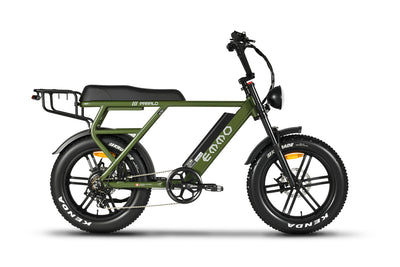
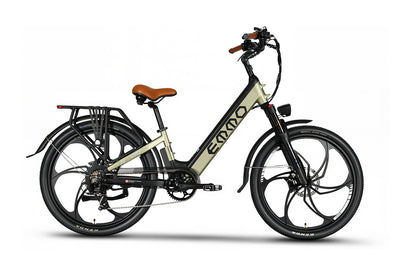
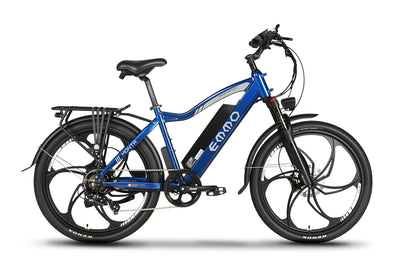
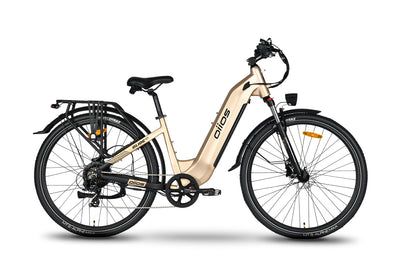
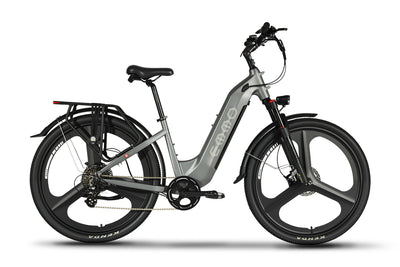
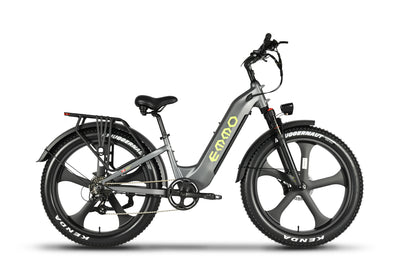
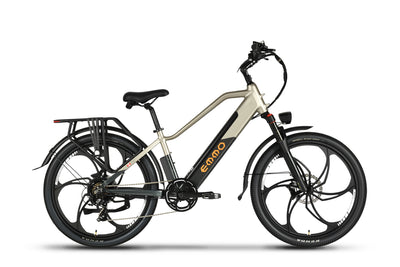
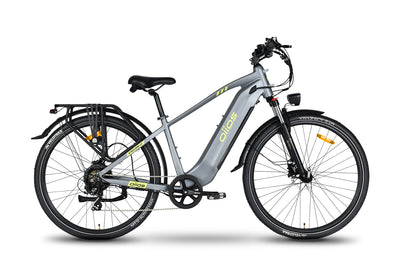
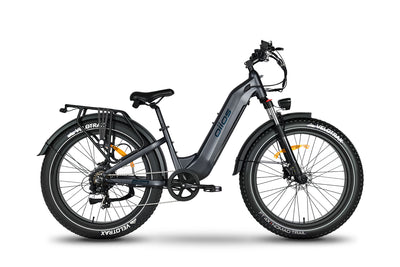
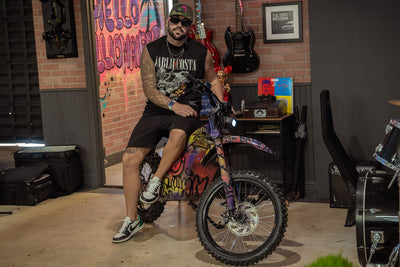
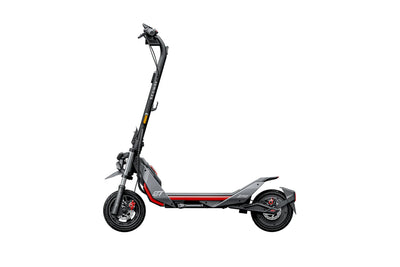
Emmo, a leading e-bike brand in Canada, offers a range of electric bicycles that adhere to Canadian regulations. While their e-bikes are configured to provide the best performance, they also ensure that riders remain within the legal limits. Emmo e-bikes are not just about power; they're about offering a sustainable, efficient, and legal alternative to traditional transportation.
Implications of Riding a 750 Watt E-bike:
If you own or are considering purchasing a 750 watt e-bike, it's crucial to be aware of the following:
-
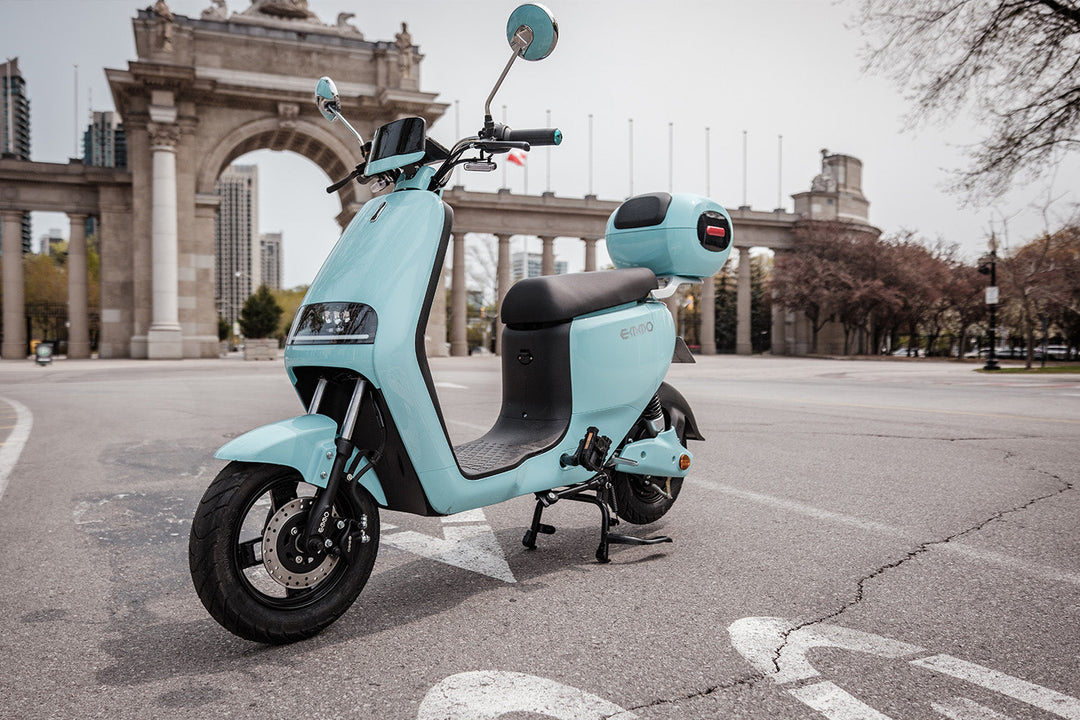
Licensing and Registration: Since a 750 watt e-bike exceeds the federal power limit, it might be classified differently, possibly requiring licensing and registration, similar to mopeds or scooters.
-
Insurance: With the potential reclassification of 750 watt e-bikes, there might be insurance implications. Riders may need to obtain specific insurance coverage.
-
Where You Can Ride: Depending on provincial and territorial regulations, there might be restrictions on where you can ride a 750 watt e-bike. It might not be allowed on certain trails, bike paths, or roads.
In Conclusion:
While 750 watt e-bikes offer more power and can be enticing for those looking for an added boost, it's essential to be aware of the legal implications. Before purchasing or riding a 750 watt e-bike in Canada, always check with local and provincial regulations to ensure you're compliant and understand any potential requirements or restrictions.
Remember, while the power and speed of an e-bike can be thrilling, safety and legality should always come first. Brands like Emmo emphasize this by ensuring their e-bikes meet all regulatory standards. Always wear a helmet, follow traffic rules, and be respectful of other road users.