Filter
      10 products
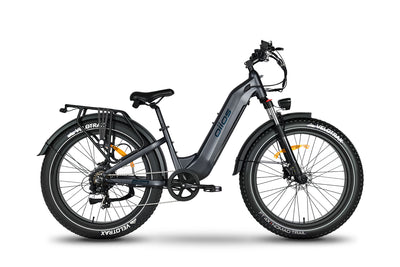
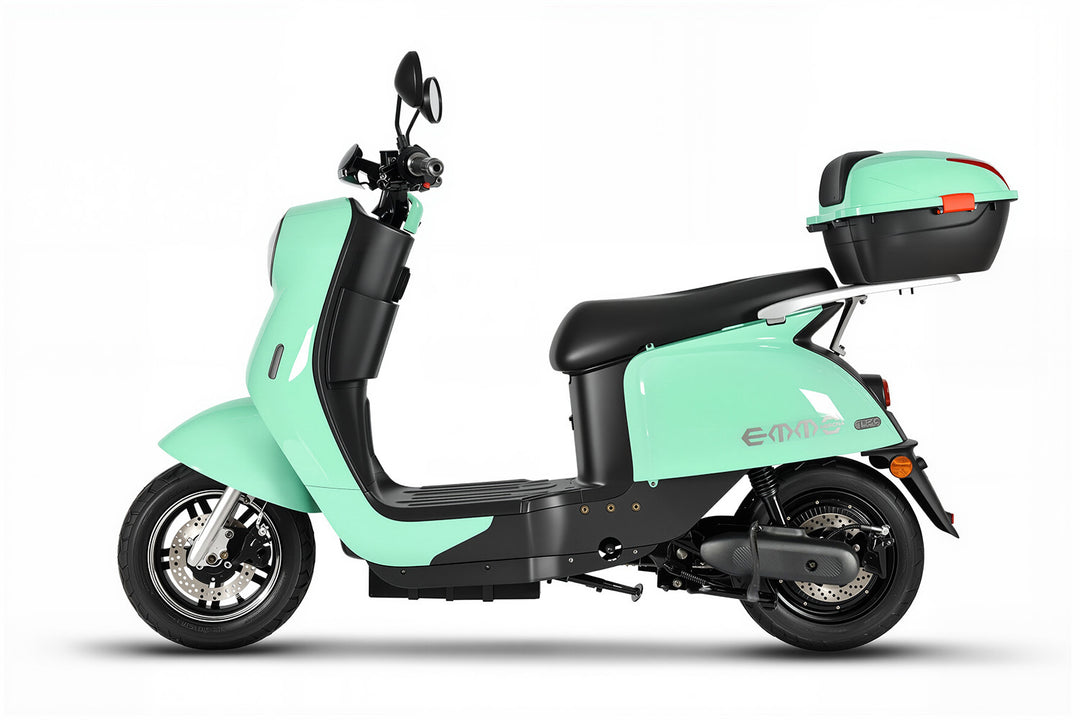
      From $2,199 CAD

      Start from 

      $71

      /month with 

      Affirm
      Buy Now
      Save $600
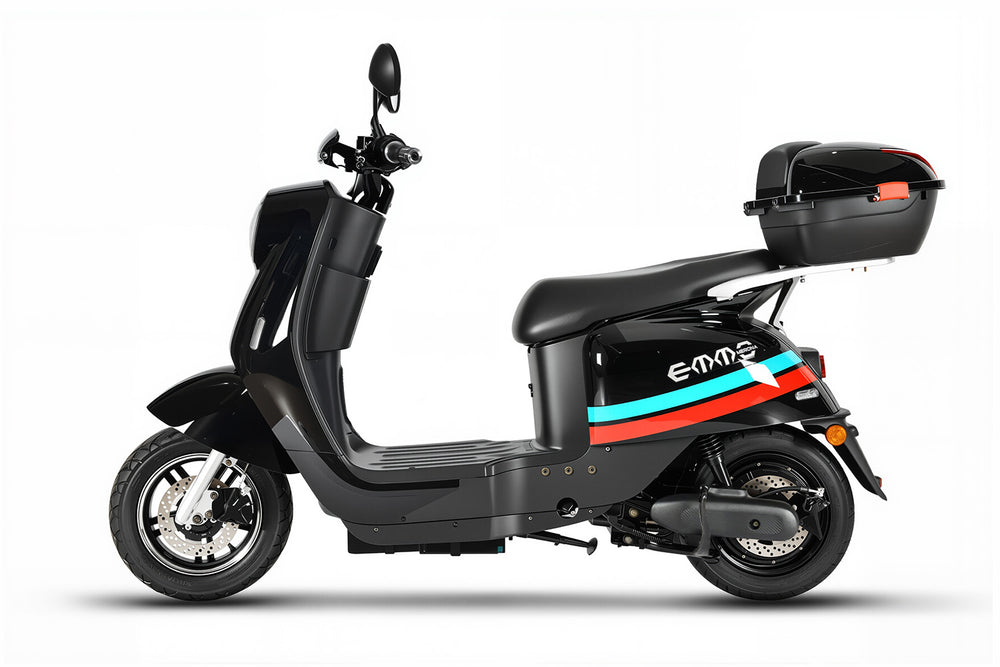
      FromRegular price $3,199 CAD Sale price $2,599 CAD

      Start from 

      $84

      /month with 

      Affirm
      Buy Now
      collection banner
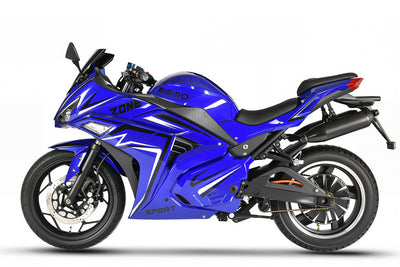
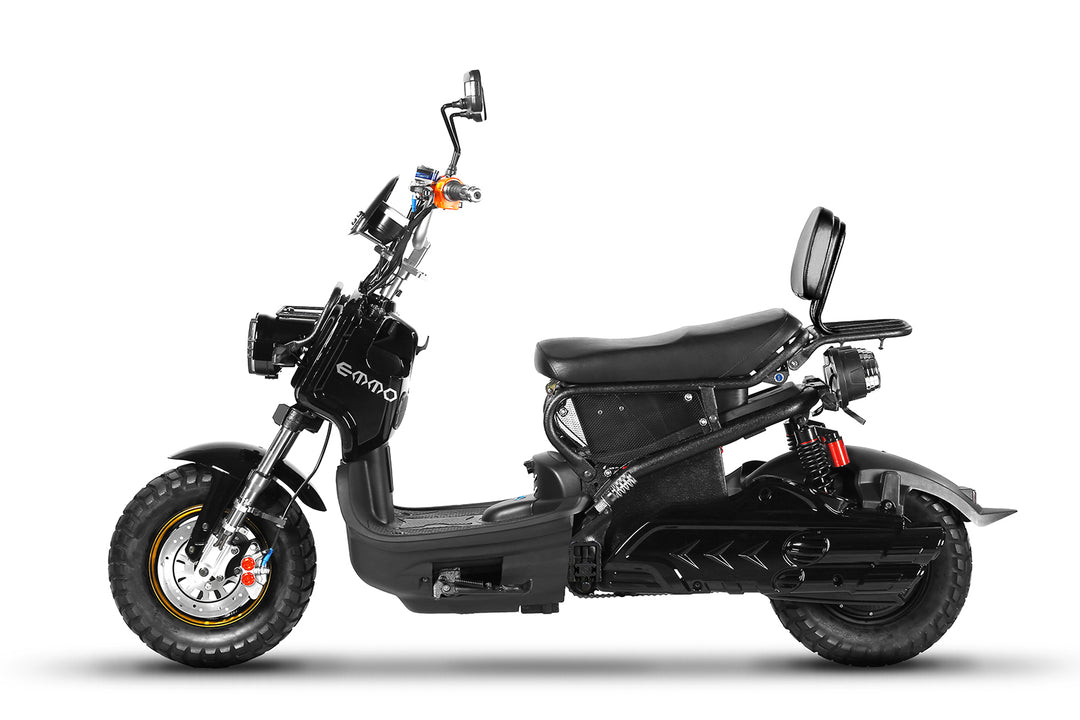
      From $2,999 CAD

      Start from 

      $97

      /month with 

      Affirm
      Buy Now
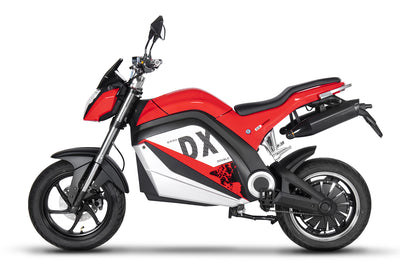
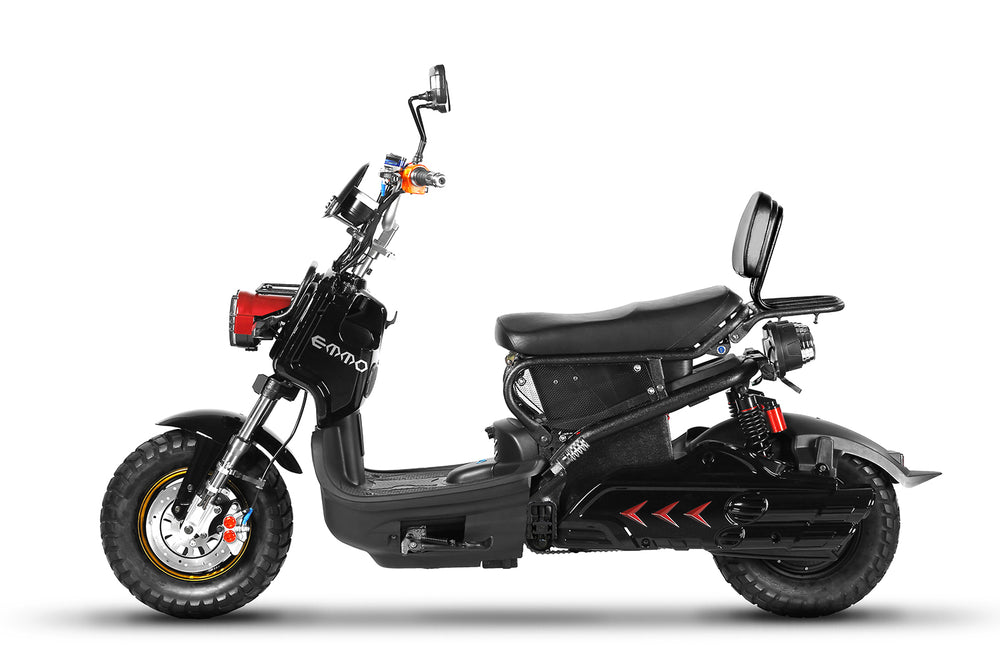
      From $1,599 CAD

      Start from 

      $52

      /month with 

      Affirm
      Buy Now
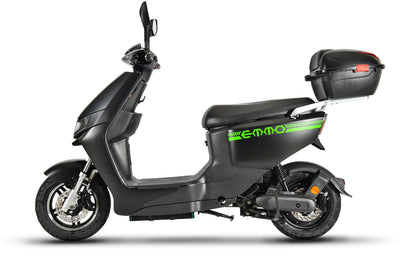
      From $2,299 CAD

      Start from 

      $75

      /month with 

      Affirm
      Buy Now
      From $2,199 CAD

      Start from 

      $71

      /month with 

      Affirm
      Buy Now
      From $2,799 CAD

      Start from 

      $91

      /month with 

      Affirm
      Buy Now
      Sold Out
      From $2,199 CAD

      Start from 

      $71

      /month with 

      Affirm
      Buy Now
      Sold Out
      From $2,899 CAD

      Start from 

      $94

      /month with 

      Affirm
      Buy Now

      UL SAFETY CERTIFIED

      Standards 2849 & 2271 Compliant

      Learn More

      200+ LOCAL DEALER SHOPS

      Test Rides and service across Canada
      Learn More

      FAQs

      Yes — e-bikes can carry a passenger, or pillion, if they are designed for it, with a factory-installed passenger seat and footrests.
      Regulations vary by province: in Ontario, passengers must also be at least 16 years old, while in British Columbia, the minimum riding age is 14 but the rider must be 16 or older to carry a pillion. Carrying someone on a single-seat e-bike is unsafe and may be illegal. Always check your local regulations before riding with a passenger or pillion.

      For most food delivery riders, an e-scooter style ride is often the more practical option because it’s built for easy stop-and-go riding and carrying extra cargo.

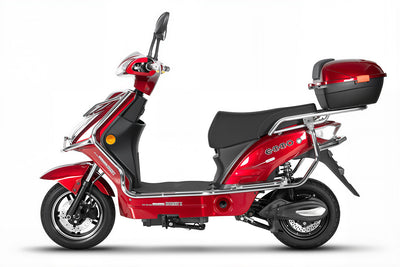
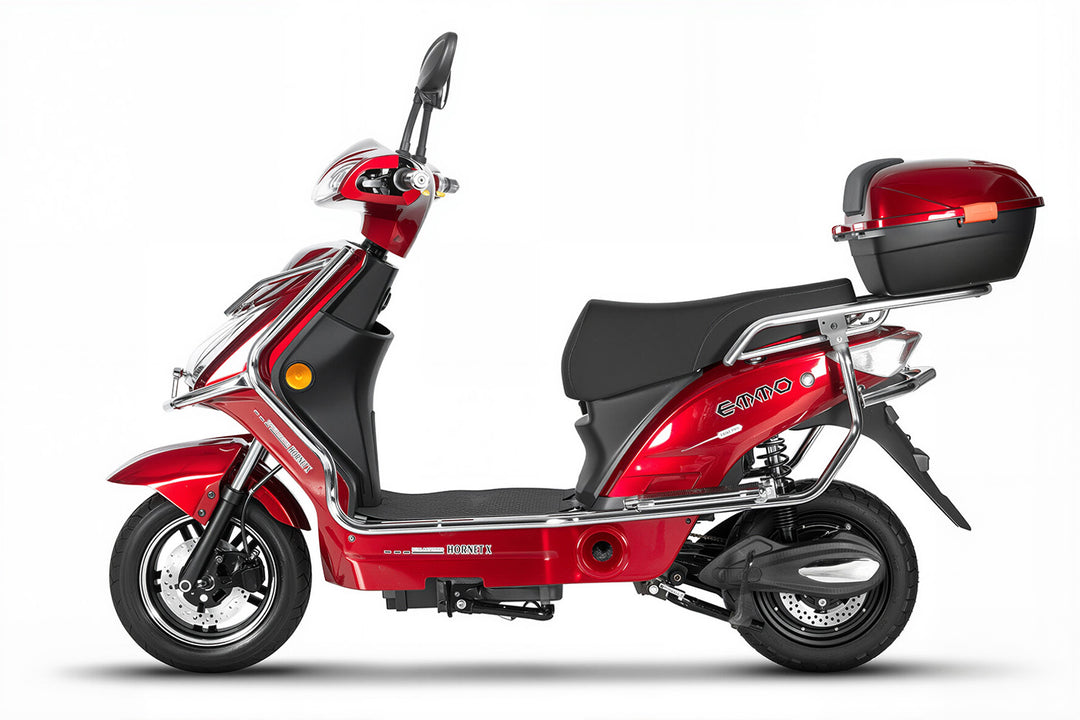
      A popular delivery choice is the Hornet X.I, especially if you want the option of dual batteries for longer shifts. The batteries are removable, which makes it convenient to charge indoors and store the bike when you’re not riding.

      If you prefer a smaller, lighter setup, the Urban T is a solid compact option, and its removable battery also makes charging simple. If you’d rather stick with a bicycle-style frame, models like the Monta Dual can be a good fit when you want a more traditional riding feel.

      When choosing a delivery ride, it helps to think about:
      • Cargo space and mounting options (rear rack platforms can expand what you can carry)
      • Battery capacity and whether you want a second battery option
      • Comfort for long hours (seat position, suspension, and stability)
      • Service and support access (local dealer availability can make maintenance easier)

      We also offer delivery bags in different sizes to match the type of orders you typically carry.

      Weight capacity is the maximum total load the e-bike is designed to carry (rider plus any cargo and accessories), and it varies by model.

      Across the industry, many e-bikes are commonly rated around 200 to 350 lbs. Most EMMO models are typically rated around 260 to 400 lbs, and some models designed for two riders have a higher capacity.

      If you exceed the listed capacity, the bike may feel less stable and braking and handling can be affected, and it can increase wear on components like tires, wheels, and suspension. For the best ride quality and long-term durability, we recommend choosing a model with a capacity that comfortably covers your expected rider and cargo weight.

      If you’d like help picking the right model, contact us: https://emmo.ca/pages/contactus

      It depends on what matters most for your delivery routes, because electric bicycles and scooter-style e-bikes each have clear strengths.

      Price-wise, they’re often comparable, with many models starting around $1,500, while the final cost can vary based on battery size and configuration.

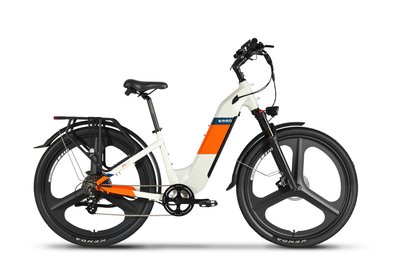
      Electric bicycles feel closer to a traditional bike, and they’re a great fit if you want flexibility and longer range with pedalling support. You can keep riding by pedalling even if the battery runs low, and they’re often easier to move around and park in tighter spaces. Popular picks include EMMO E-Mini Pro(https://emmo.ca/products/e-mini-pro) and EMMO E-Wild Pro(https://emmo.ca/products/e-wild-pro).

      Scooter-style e-bikes are typically more comfort-focused and practical for carrying items, with a larger step-through frame, more built-in storage options, and an easier setup for delivery bags. Most of them also comes with built-in alarm systems, offering peace of mind when it is parked outside. Popular picks include Hornet X.I(https://emmo.ca/products/emmo-hornet-x) and Urban T2(https://emmo.ca/products/emmo-urban-t).

      If you’d like to browse by style, you can compare Electric Bicycles here: https://emmo.ca/collections/electric-bikes and scooter-style e-bikes here: https://emmo.ca/collections/electric-scooter-ebike

      Yes, many EMMO e-scooters can be fitted with a rear rack platform and/or a cargo box, and the exact mounting options depend on the model. Most setups attach to the factory rear mounting points or rack mounts, while some models are also available for saddle boxes, for example, NOK models can be set up with saddle boxes.

      To choose the right parts, check your model’s load limit and mounting points, and match the rack or box to that specific model’s hardware. If you’d like help confirming fitment or prefer professional installation, a local dealer can assist: https://emmo.ca/pages/locations

      The best scooter-style eBike for city commuting depends on your route, storage needs, and whether you want a compact, easy-to-handle ride.

      Scooter-style eBikes can be convenient in traffic because of their step-through design, throttle option, and built-in storage on many models. If you’re looking for a city-friendly setup, the Maknak is a popular pick because it includes a bright headlight, brake lights, turn signals and its narrow width can make it easier to move through tighter spaces.

      When choosing a scooter-style eBike for city riding, compare:
      • Range and battery size for your typical round-trip distance
      • Speed class and how you plan to ride (throttle vs. pedal assist)
      • Storage and passenger capability (only if the specific model is rated for a second rider)
      • Weight and overall size for parking, elevators, or carrying into storage

      Local guidelines may vary by area.

      The main difference is how you ride: a pedal e-bike is designed to be pedalled (with assist), while a seated scooter-style e-bike is built primarily for electric riding with a larger frame and more built-in comfort and storage.

      Bicycle-style e-bikes typically include working pedals and are a great fit for longer rides, hills, and riders who want to mix exercise with electric help. On most models, you can switch between pedal assist, throttle-only, or pedal-only riding, and EMMO’s bicycle-style e-bikes use removable batteries.

      Scooter-style e-bikes usually have a wider seat, a step-through frame, and more integrated storage, and they’re commonly ridden using the throttle. Many EMMO scooter-style models also include a steering wheel lock and an alarm lock for added security, and some models use a removable battery design.

      Other practical differences may include speed and range, which vary by model and local guidelines.

      In most places in Canada, you don’t need a driver’s license for a scooter-style e-bike that has working pedals and is limited to 32 km/h, but the exact rules depend on where you ride. Some provinces and municipalities set additional requirements such as a minimum age, helmet use, or where these vehicles can be used (bike lanes, roads, or trails). Local guidelines may vary by area.

      Yes, many scooter-style e-bikes are designed to carry two riders.

      It depends on the specific model’s maximum load rating and seat/footrest setup. Some models include an extended seat and rear footrests, and certain EMMO scooter-style models can support up to 280 kg (620 lb), such as NOK and Monster S (84V).

      Before riding two-up, check the bike’s motor power and the listed maximum load capacity for your model, and reach out to our team if you’d like help confirming the right fit: https://emmo.ca/pages/contactus

      Some local guidelines may apply.

      Yes, most of the scooter-style e-bikes can handle hills, and performance depends on the motor, battery, and your riding conditions. Many scooter-style models are built with higher-output motors to support steady climbing.

      Hill results will vary based on rider and cargo weight, the steepness and length of the grade, tire pressure, and the assist or speed mode you use. For the best match, check the motor power and the listed climbing angle on the specific model you’re considering, and if your route has longer or steeper hills, a test ride or a quick chat with our team can help you choose the right setup. https://emmo.ca/pages/contactus

      Most scooter-style e-bikes can cover around 40–100 km on a full charge, with some long-range setups reaching higher distances under the right conditions. Your real-world range depends on factors like battery capacity, rider and cargo weight, route elevation, and how you ride.

      Range is also affected by:
      • Speed and acceleration
      • Outside temperature and wind
      • Tire pressure and tire type
      • Assist level/throttle use, battery age, and overall battery health

      If you want a more accurate estimate for a specific model and your commute, contact our team with your typical distance, rider weight, and terrain: https://emmo.ca/pages/contactus

      Scooter-style e-bikes are a great fit for city riding because they’re typically easy to step on and off, comfortable at everyday speeds, and convenient for carrying small items.

      Many scooter-style models use a step-through frame and a relaxed, upright seating position, which can feel more natural for stop-and-go traffic. They’re also often lighter and easier to handle at low speeds and when parking. Instead of gasoline, you charge the battery, and routine upkeep is generally straightforward.

      Storage is another practical difference: many scooter-style e-bikes come with a tail box included, while motorcycle-style storage is often an add-on.

      Local e-bike guidelines may vary by area.

      The right scooter-style e-bike for daily use depends on your typical trip distance, rider fit, and how much you carry.

      For a practical daily setup, compare:
      • Range and battery size: match the battery capacity to your round-trip distance, plus a buffer for colder days or heavier loads
      • Comfort and fit: step-thru frames, seat size, and riding position matter if you ride often or wear work clothes
      • Braking and stability: dual disc brakes and wider tires can feel more confident in stop-and-go traffic
      • Speed class and local rules: most scooter-style e-bikes are set up to meet 32 km/h limits, and requirements can differ by municipality

      If you want to browse options by style and features, see our scooter-style e-bikes here: https://emmo.ca/collections/electric-scooter-ebike

      In many cases, yes. Scooter-style e-bikes are a comfortable, easy-to-learn option for new riders. The step-through design makes getting on and off simple, and the twist-and-go style riding means there’s typically no gear shifting to think about.

      The best fit depends on a few personal factors like your height and reach to the handlebars, how supportive you want the seat to feel, and where you plan to ride (short errands, commuting, or relaxed neighborhood cruising). If you’re deciding between styles, a quick test ride can make the difference, or you can chat with our team for guidance.

      A bicycle-style e-bike looks and rides more like a traditional bicycle, while a scooter-style e-bike uses a step-through frame with a larger seat and a more moped-like, upright riding position.

      Both usually include pedals, but scooter-style models are often picked for comfort and everyday practicality.

      Key differences:
      • Fit and comfort: bike-style feels more like pedaling a bicycle; scooter-style typically has a wider seat and relaxed ergonomics
      • Carrying and storage: scooter-style frames often make it easier to add baskets or racks; bike-style is often lighter to lift and transport
      • Size and handling: bike-style is usually slimmer for tight spaces; scooter-style can feel steadier at lower speeds but takes up more room
      • Passenger and cargo options: scooter-style models may support larger cargo setups or passenger seating depending on the model

      Guidelines may vary by location.

      Range without pedaling depends on the model and riding conditions, but EMMO electric bicycles typically deliver about 40 to 80 km on a single charge using throttle only.

      Your real-world distance can vary based on speed, hills, rider weight, tire pressure, temperature, and wind. If you’d like help estimating range for a specific model, contact us: https://emmo.ca/pages/contactus

      It depends on how you travel day to day, but an electric bike is often a great fit for shorter trips and city commuting, while a car can make more sense when you regularly need longer range or carry multiple people.

      Here are a few practical factors to compare:
      • Costs: E-bikes typically cost less to buy and maintain, and charging is usually much cheaper than fueling a car.
      • Time and parking: In busy areas, an e-bike can be quicker door-to-door because parking is easier and you can often avoid traffic delays.
      • Distance and cargo/passengers: E-bikes are ideal for many local errands and commutes, but a car may be better if you frequently travel longer distances, need to carry larger loads, or transport passengers.
      • Weather and comfort: If you ride year-round, consider your local weather and how comfortable you’ll be riding in rain, cold, or heat compared with driving.

      Yes, cargo e-bikes are practical for everyday use, especially if you want extra carrying capacity without giving up the feel and flexibility of a bicycle.

      In many cases, a cargo e-bike is priced similarly to a standard e-bike, often in the same general range, so you can get more utility without a big jump in cost.

      They’re also a smart option when you need to haul groceries, work gear, or even a passenger but still want something easier to maneuver than a larger scooter-style e-bike or a car. In busy city areas, that can make riding, parking, and day-to-day transport simpler.

      Because you get both cargo capacity and pedal assist, cargo e-bikes are especially popular with riders who want to carry more while still being able to pedal comfortably.

      For many short, city-focused commutes and errands, a moped-style electric bike can be a better day-to-day fit, while a gas motorcycle often suits higher speeds, longer distances, and highway riding.

      Moped-style e-bikes are typically quieter and easy to live with, and charging can cost less than fueling up. Maintenance is often simpler (no oil changes), though you’ll still have regular wear items like tires and brakes.

      When comparing, consider:
      • Your typical trip distance and where you can charge
      • The speeds and roads you plan to use
      • Terrain plus rider, passenger, or cargo needs

      Local guidelines may vary by area.

      Before buying an electric moped-style e-bike, think about range, charging, fit, storage, and the rules where you plan to ride.

      Estimate your typical distance and conditions (hills, wind, colder weather) and choose a battery setup that matches. If you can’t charge where you park, a removable battery can make charging much simpler.

      Check charge time and where you’ll plug in (standard wall outlet at home, garage, or work). For battery longevity, store the bike and battery in a dry, moderate-temperature space, and if it’s stored for a while, charge it at least once a month.

      Make sure the bike fits your body and needs, including seat height, reach, weight capacity, and any cargo or passenger plans. Planning secure storage with a good lock or cover is also important. Guidelines may differ by location.

      Choose the right e-bike battery by matching your bike’s required voltage and connector type first, then selecting a capacity and physical size that fit your riding needs and mounting location.

      Key things to confirm:
      • Voltage (V): must match your e-bike’s electrical system
      • Capacity (Ah or Wh): higher numbers generally mean more range between charges
      • Physical fit: mounting style, dimensions, and whether it locks into your frame or rack
      • Connector and communication: plug type and any model-specific wiring or battery management compatibility

      For the best fit and performance, it’s usually simplest to choose the battery designed for your specific model rather than a universal replacement.

      For a quick check, contact our service team at 1-888-217-1217 or service@emmo.ca.

      There are lithium upgrade options for most of our models. If you are looking for a bike with long travel distance, lithium batteries will be the best choice. Lithium batteries are much lighter in weight and smaller in size, and they have a longer battery life. Typically, the battery life for lead-acid batteries is 1-2 year and 3-5 year for lithium batteries. Also, lithium batteries will be more expensive compared with the lead-acid batteries.

      Yes, hydraulic disc brakes generally work very well in rain and rough terrain. Compared with traditional rim brakes and cable (mechanical) disc brakes, hydraulic systems tend to deliver more consistent braking feel and stronger control in most wet, muddy, and downhill situations.

      One reason is that hydraulic braking is a sealed system, which helps keep water and dirt from affecting the brake’s performance as easily. Disc brake pads and rotors also sit away from the tire sidewall, so they’re less exposed to the water and grime that can reduce braking on rim brakes.