



ET-3 ES

Scooter électrique à 3 roues
4.9 (47)
ET-3 ES
ET-3 ES
ET-3 ES
ET-3 ES
ET-3 ES

ET-3 ES

Scooter électrique à 3 roues
4.9 (47)
$2,395 CAD Prix régulier

Start from 

/month with 

Affirm Learn More
Couleur
Standard
Warranty
200+
Local Dealers
30-Day
Return
Technical Specification
Power System
Motor

Moteur à couple élevé de 800 W

Charging Time

3 - 10 heures

Range

60 km

Riding Experience
Riding Modes

Avant et arrière

Climbing Angle

25 degrés

Gear

3-Level Throttle

Build and Structure
Frame Material

High Strength Steel

Dimension

148 x 68 x 120 cm /
58 x 27 x 47 pouces
(Longueur x Largeur x Hauteur)

Net Weight

90 kg / 200 lb

Load Capacity

150 kg / 330 lb

Wheels and Tires
Front and Rear Tires

Pneu sans chambre à air 10" x 3"

Wheel

10" Alloy Rims

Braking and Safety
Brakes

Frein à disque hydraulique avant ; freins à tambour arrière

Lights and Signals

Phare, clignotants, feu arrière et feu stop

Additional Features
Display

Compteur de vitesse LCD rétroéclairé

Storage

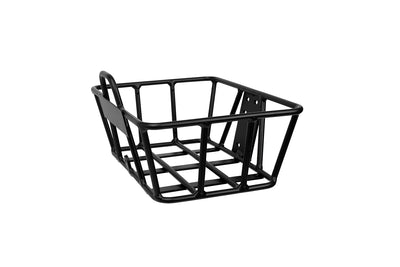
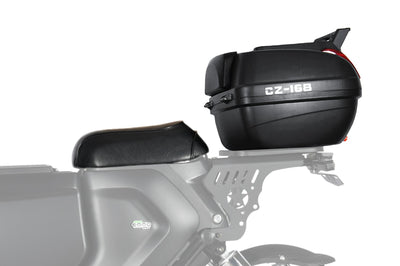
Panier arrière (inclus)

Top Speed**

25 km/h
*Speed limits vary by jurisdiction. Please comply with local mobility scooter regulations.

Bike Dimensions
Bike Dimensions
Bike Dimension Geometry One Bike Dimension Geometry Two

ET-3 ES

ET-3 ES — Scooter électrique à 3 roues. Propulsion arrière stable avec moteur à couple élevé, accès facile, grand espace pour les jambes et rangements pratiques pour un confort quotidien.

  • Conduite stable à trois roues — La conception auto-équilibrée offre une maniabilité douce et sûre à l'intérieur ou à l'extérieur.
  • Siège confortable et accès facile — Siège, dossier et accoudoirs réglables avec un siège large et rembourré ; le pont bas permet de monter et de descendre sans effort.
  • Nombreuses options de rangement — Le panier arrière et le compartiment sous le siège gardent vos effets personnels en sécurité et à portée de main.
https://cdn.shopify.com/s/files/1/0622/0660/7617/files/Grammarly_void.jpg?v=1769729875

People Also Like

ET-3 Classic

ET-3 Classic

4.9 (30)
$2995.0
Trobic Pro

Trobic Pro

4.9 (114)
$3199.0
$2599.0
ET-4 Galaxy

ET-4 Galaxy

4.7 (30)
$3695.0
ET-4 LX

ET-4 LX

4.8 (35)
$3495.0
Hornet X.I

Hornet X.I

4.9 (199)
$2199.0
Monstre S-72V

Monstre S-72V

4.8 (61)
$2499.0

FAQs

EMMO has over 200 authorized dealers across Canada offering test rides. Visit https://emmo.ca/pages/locations to locate a store near you and experience different models before choosing your bike.

Yes. Electric trikes can feel more stable and easier to manage for many seniors or riders with mobility concerns thanks to three-wheel balance, step-through options, and pedal-assist.

Some models also include features designed to improve low-speed handling, such as a rear differential (for example, the EMMO Trobic Pro), which can help the trike track more smoothly while turning.

Fit and comfort are personal, so the best choice depends on your height, strength, balance, and any medical considerations. If you have specific health-related questions, we recommend checking with your healthcare professional, and many riders also find it helpful to do a test ride at a local shop. (Find a local dealer: https://emmo.ca/pages/locations)

An electric trike offers extra stability and more carrying capacity compared with a 2-wheel e-bike.

• Stability: With three wheels, a trike is easier to manage at low speeds and when stopping, which can be especially helpful for riders who have challenges with balance.
• Cargo space: Trikes typically have larger baskets or rear storage options, making them a practical choice for groceries, errands, and other everyday hauling.

No — a licence or insurance is not required to operate an electric trike. Electric trikes that meet Canada’s federal or provincial e-bike definition are classified as power-assisted bicycles. This means they must have pedals, a motor rated at 500 W or less, and a top speed of 32 km/h. Always check local bylaws for any restrictions on using trikes on bike paths or multi-use trails.

Possibly. Mobility scooter funding in Canada is usually set by your province or territory and often depends on medical need and program rules.

Many programs run through provincial health coverage, disability support services, or workplace/auto insurers, and they typically require documentation such as:
• A prescription or letter from a physician or nurse practitioner
• A mobility assessment from an occupational therapist or approved assessor
• Proof of residency/health coverage (and sometimes income or disability documents)

For the fastest answer, check your provincial/territorial assistive devices program and ask your clinician or OT what paperwork and vendors are accepted.